
A good persuasive speech topic is one claim that a reasonable person could reject, plus one action you want the room to take. "Schools should start at 8:30 or later" works. "Sleep is important" does not, because nobody argues with it. Below are 106 persuasive speech topics in 8 groups, 16 real slide covers, and a 3-slide argument arc (hook, evidence, ask) that you can copy.
The same topics work as persuasive presentation topics at work or in class: the claim goes on your first slide, and the ask goes on your last. Tap Random topic above if you cannot choose, or tap any topic to start a deck on it in GenPPT.
16 persuasive speech topics with slide covers
What does a persuasive topic look like on a first slide? Each card below is a real cover slide that GenPPT designed from a one-line brief: the claim as the headline, one short reason under it, and one object that carries the idea. Tap a card to start a deck on that topic.
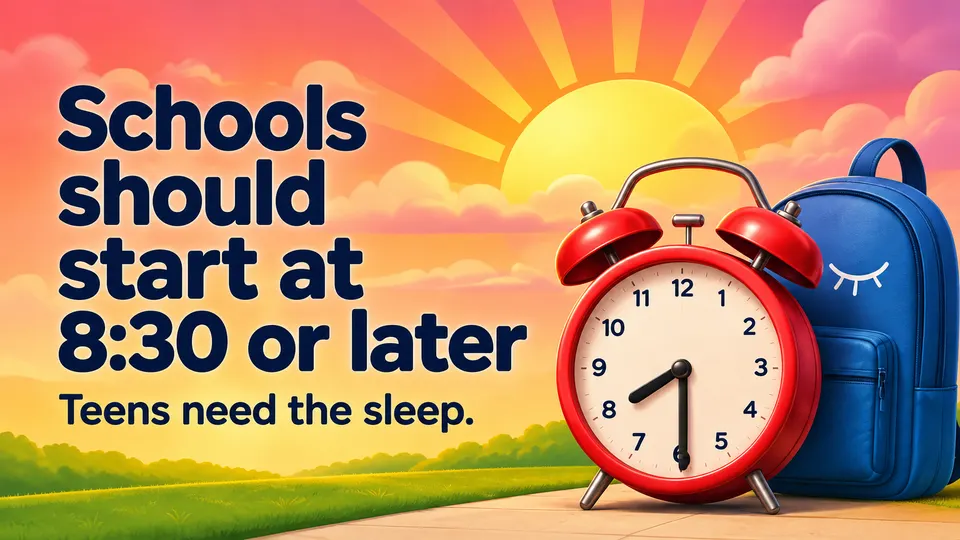 Schools should start at 8:30 or laterMake this deck
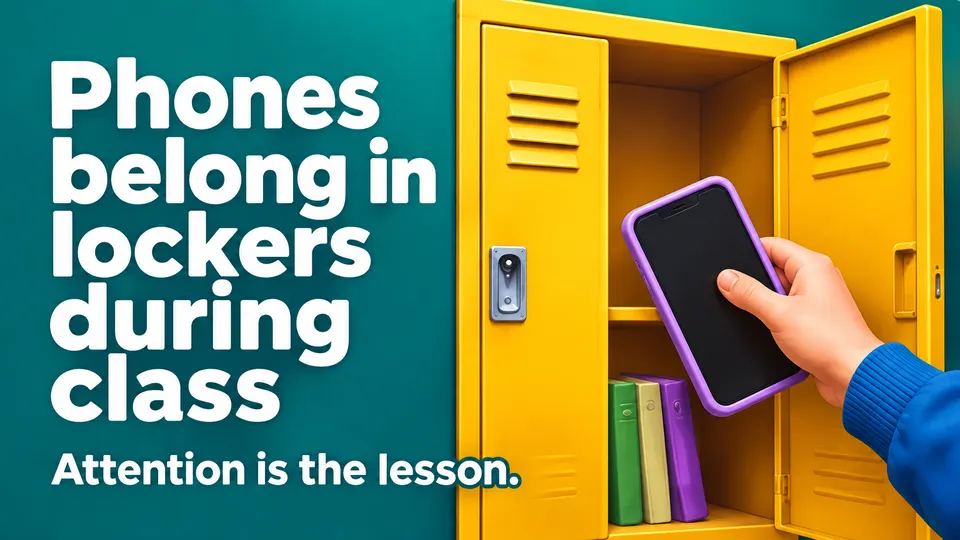 Phones belong in lockers during classMake this deck
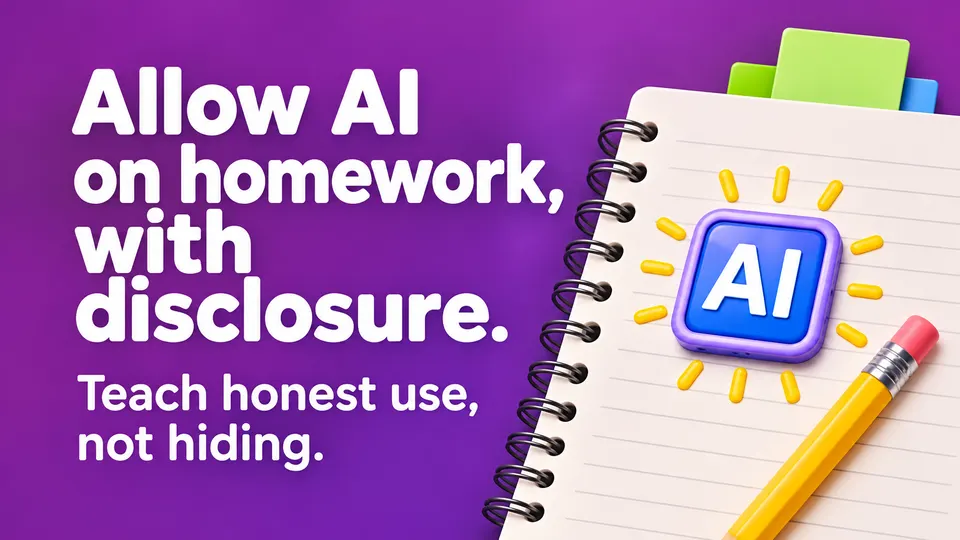 Allow AI on homework, with disclosureMake this deck
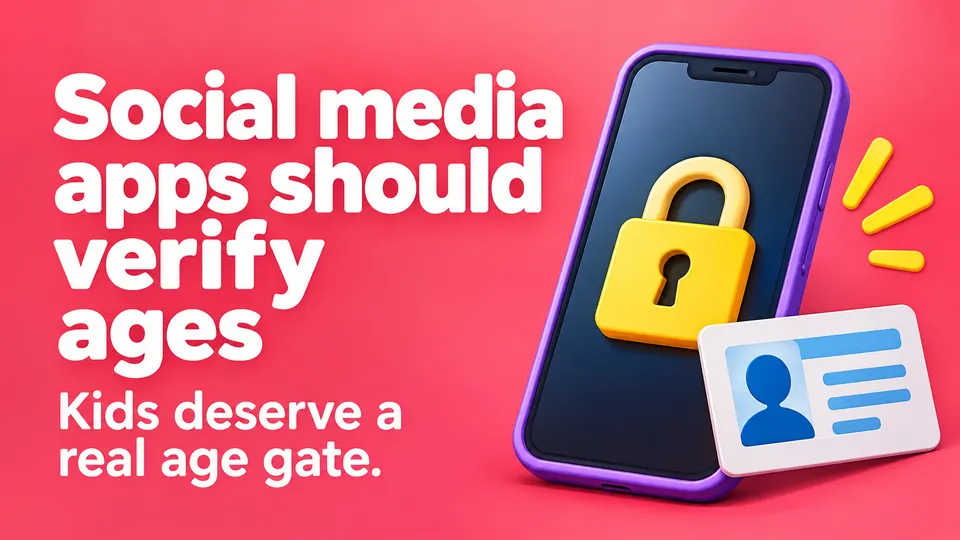 Social media apps should verify agesMake this deck
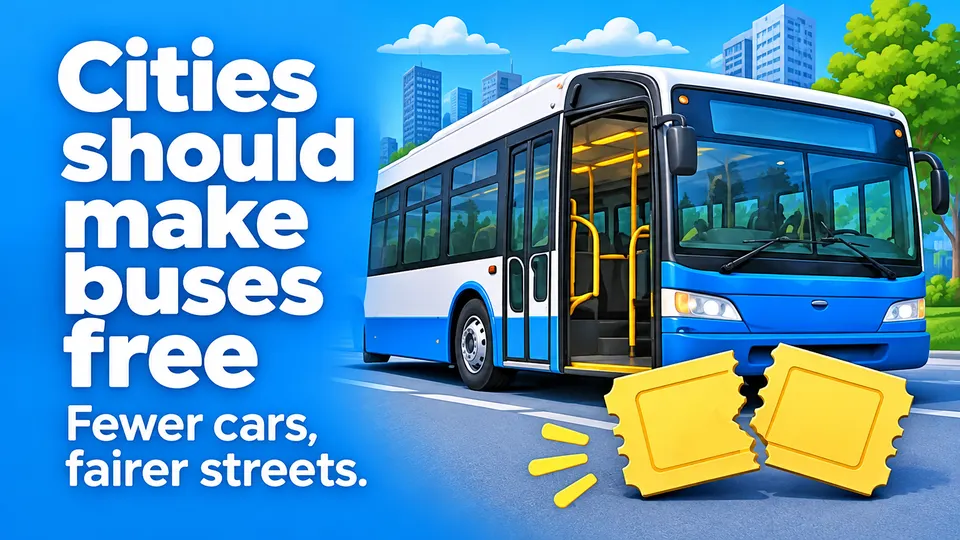 Cities should make buses freeMake this deck
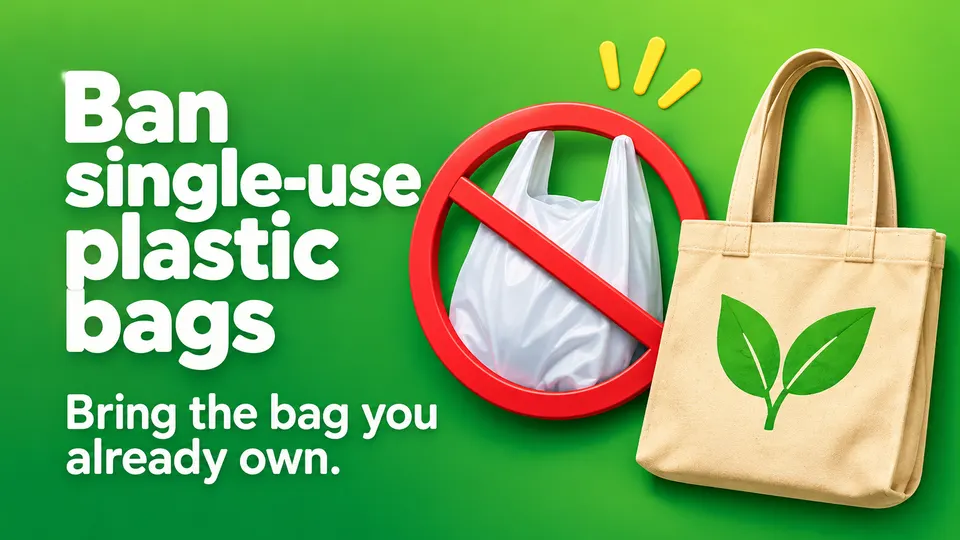 Ban single-use plastic bagsMake this deck
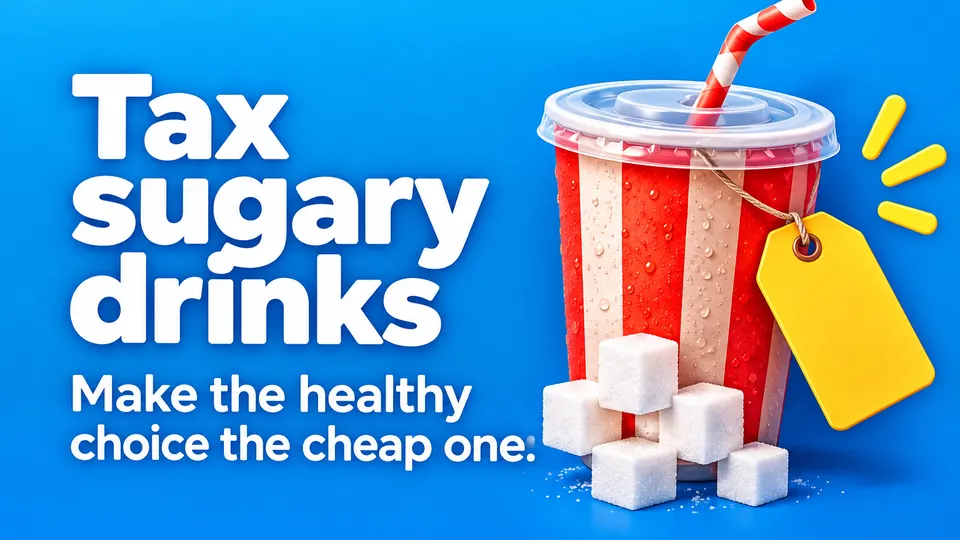 Tax sugary drinksMake this deck
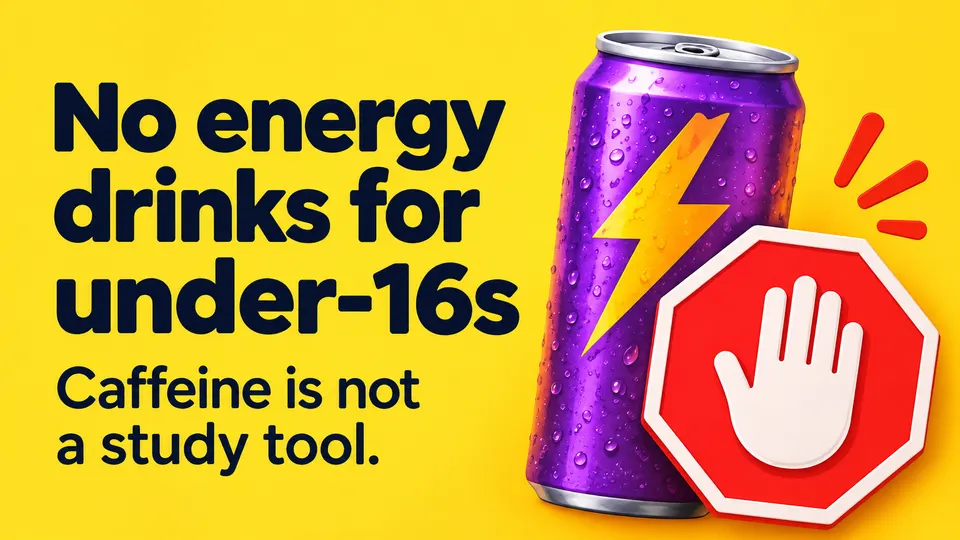 No energy drinks for under-16sMake this deck
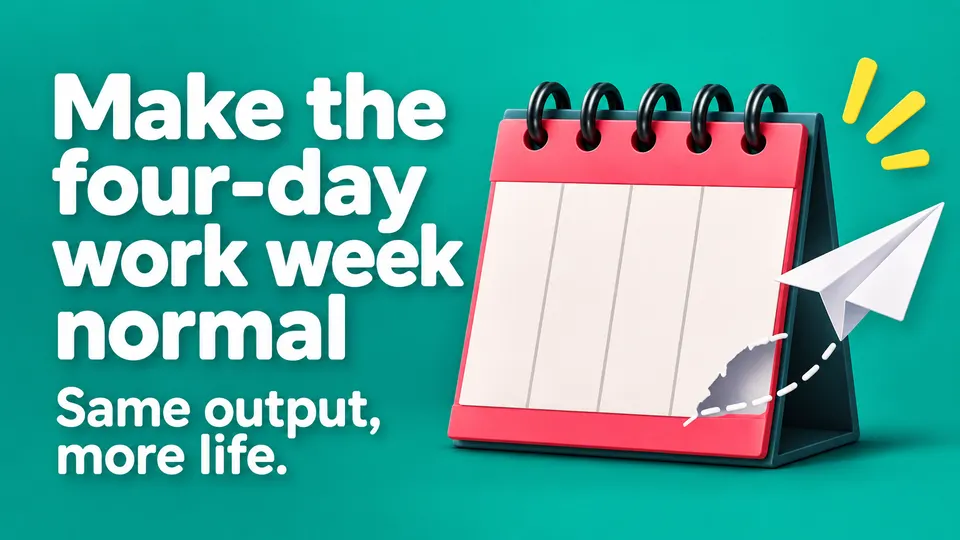 Make the four-day work week normalMake this deck
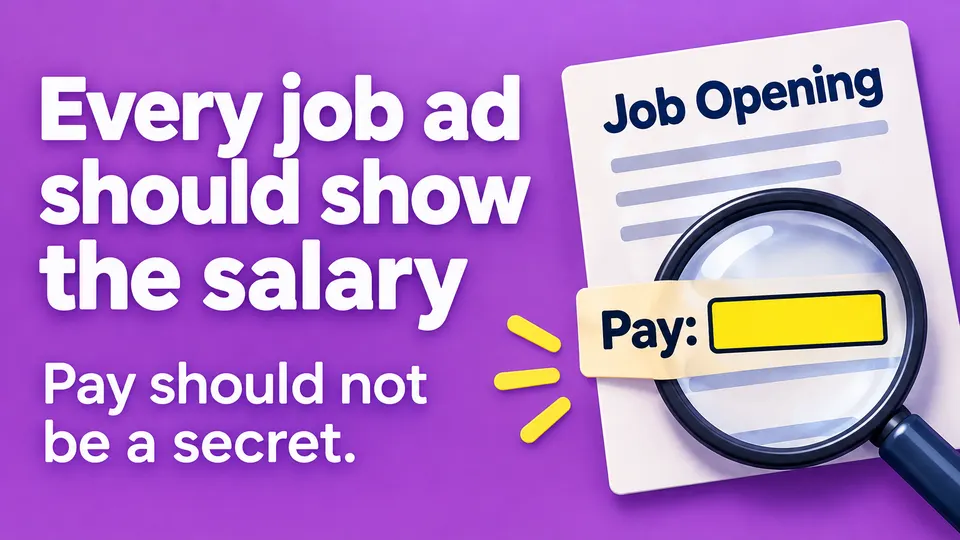 Every job ad should show the salaryMake this deck
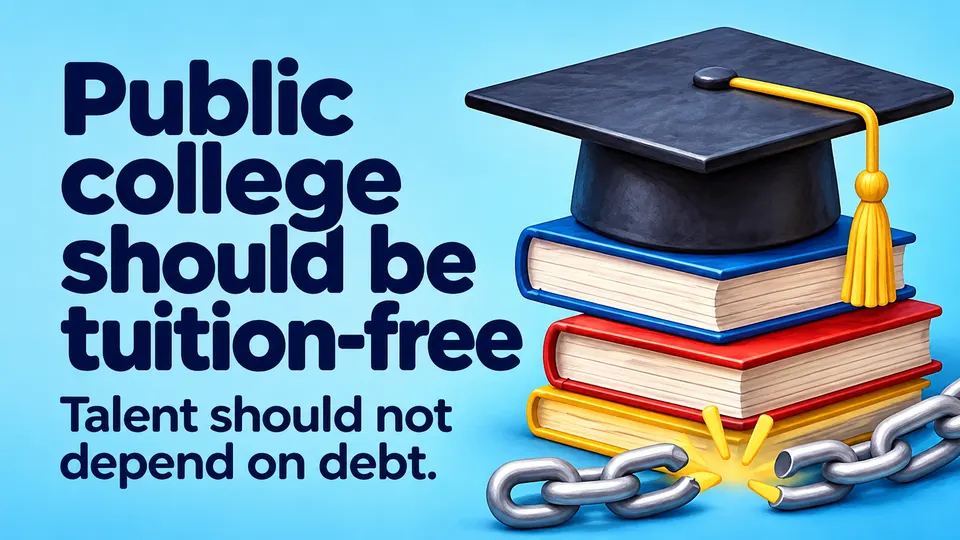 Public college should be tuition-freeMake this deck
 Make test scores optional for admissionMake this deck
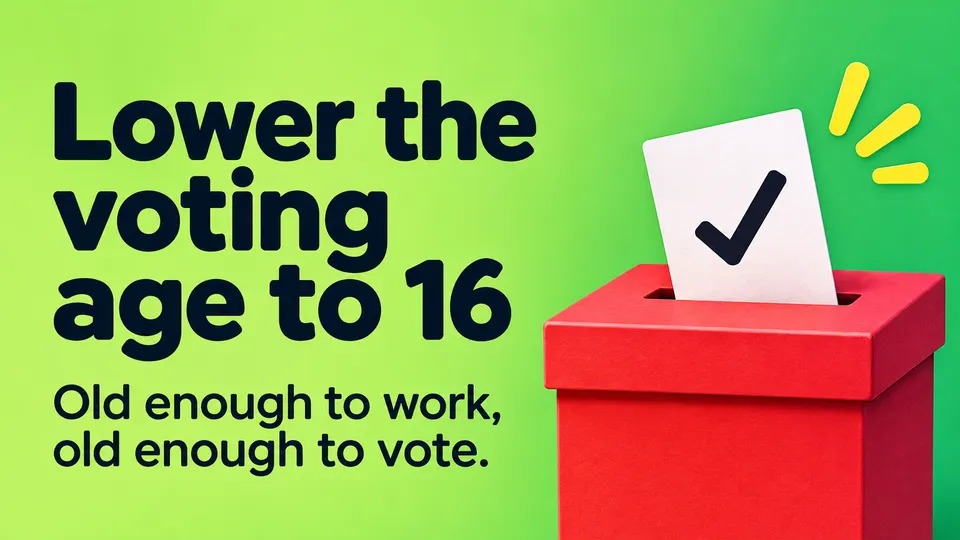 Lower the voting age to 16Make this deck
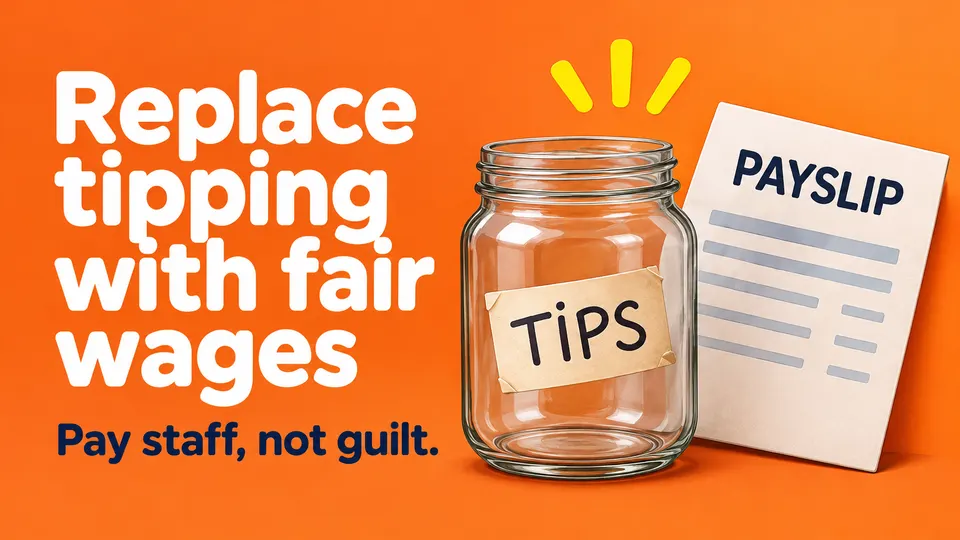 Replace tipping with fair wagesMake this deck
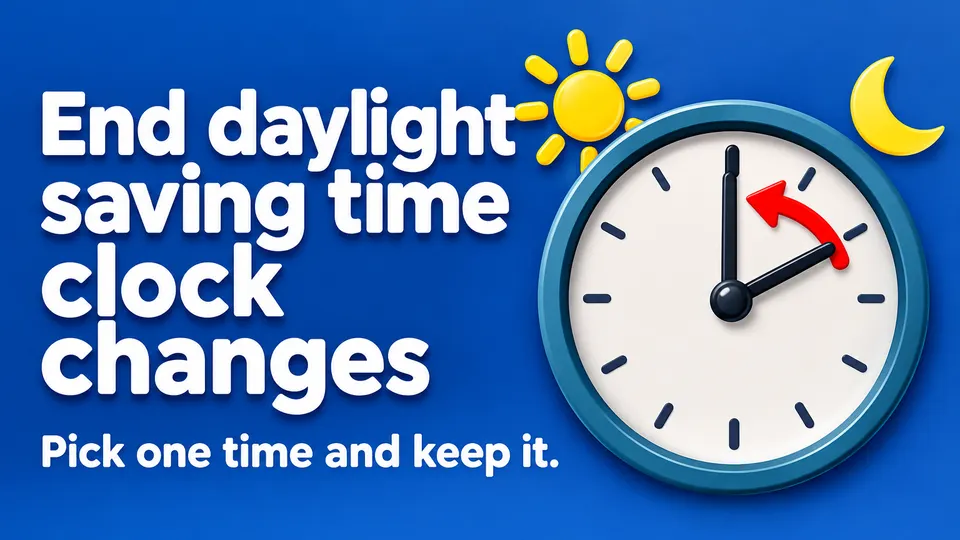 End daylight saving time clock changesMake this deck
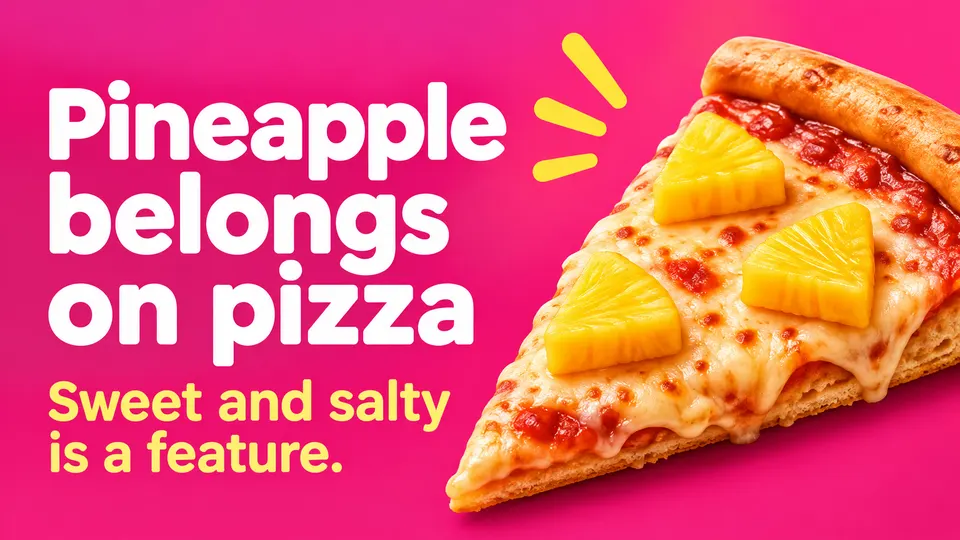 Pineapple belongs on pizzaMake this deck
The 3-slide argument arc: hook, evidence, ask
Most persuasive speeches need three moves. The hook makes the problem personal. The evidence gives one named source the room can check. The ask tells people exactly what to do next. Here are three topics from above, built as real 3-slide arcs in GenPPT.
School start times
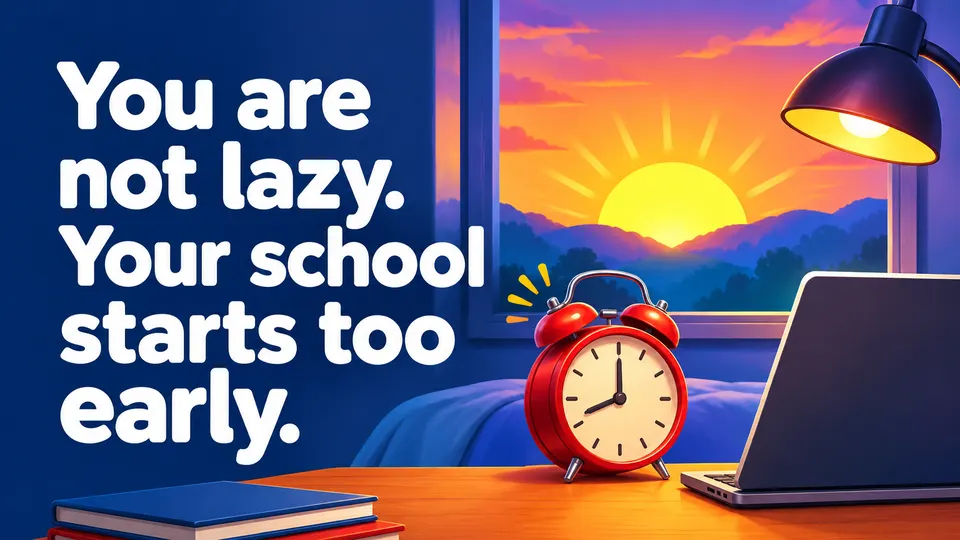 Slide 1HookHook: "You are not lazy. Your school starts too early."
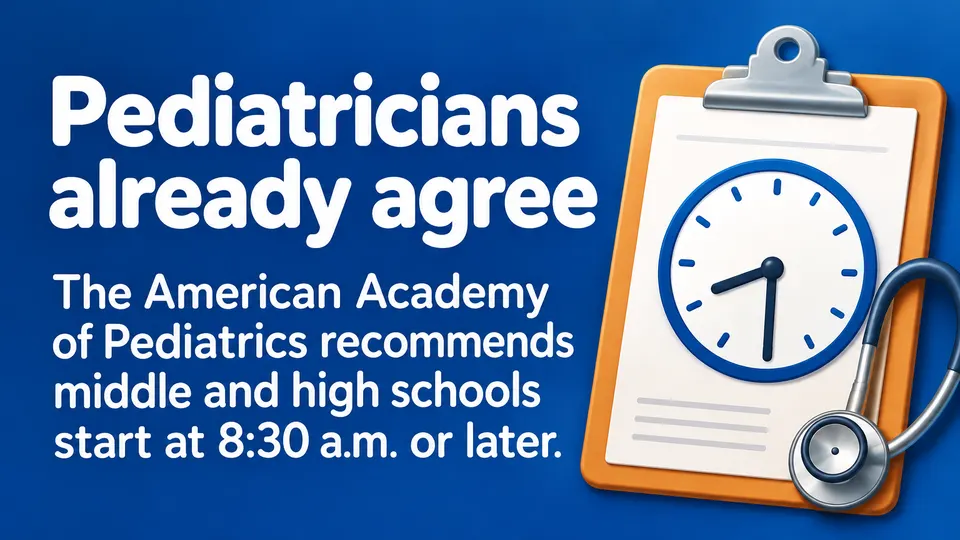 Slide 2EvidenceThe American Academy of Pediatrics recommends 8:30 a.m. or later (2014 policy statement)
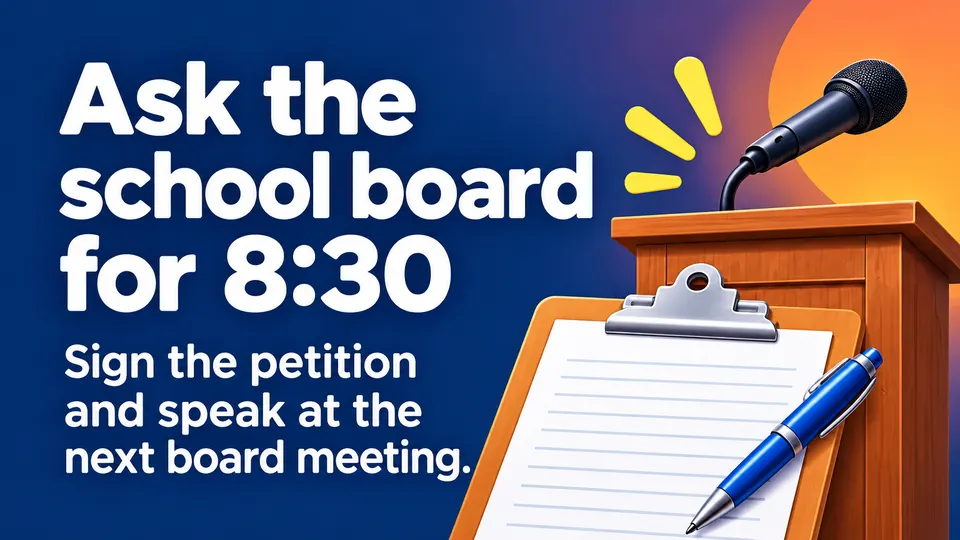 Slide 3AskSign the petition and speak at the next board meeting
Sugary drink tax
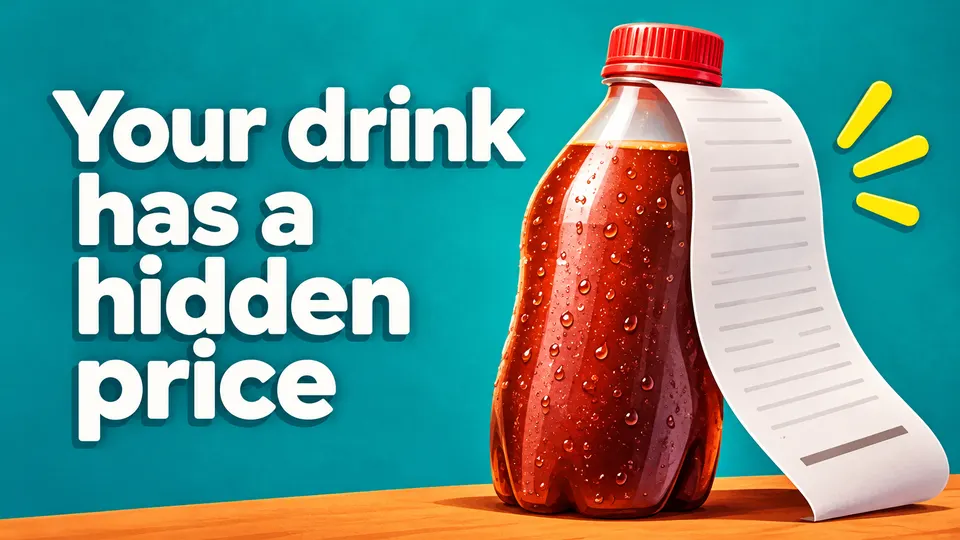 Slide 1HookHook: "Your drink has a hidden price"
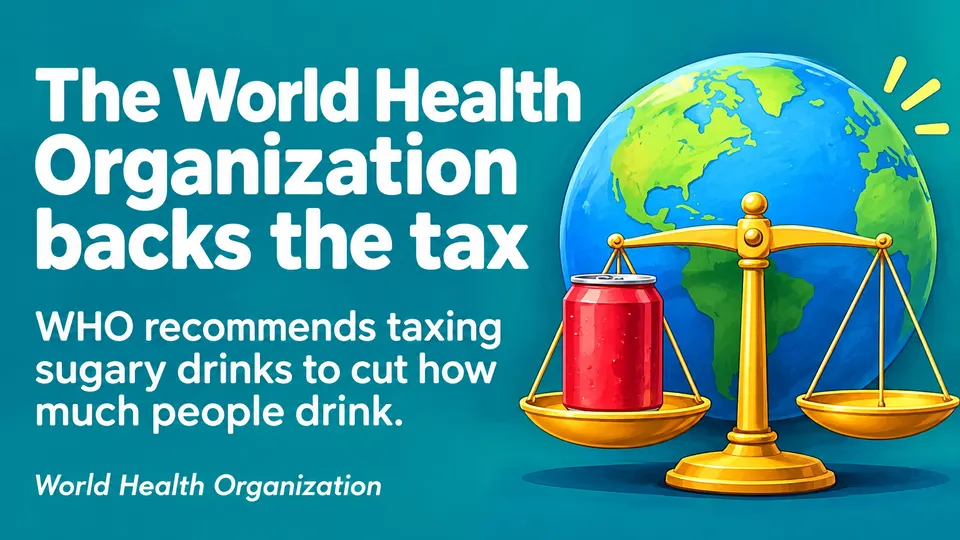 Slide 2EvidenceThe World Health Organization recommends taxing sugary drinks
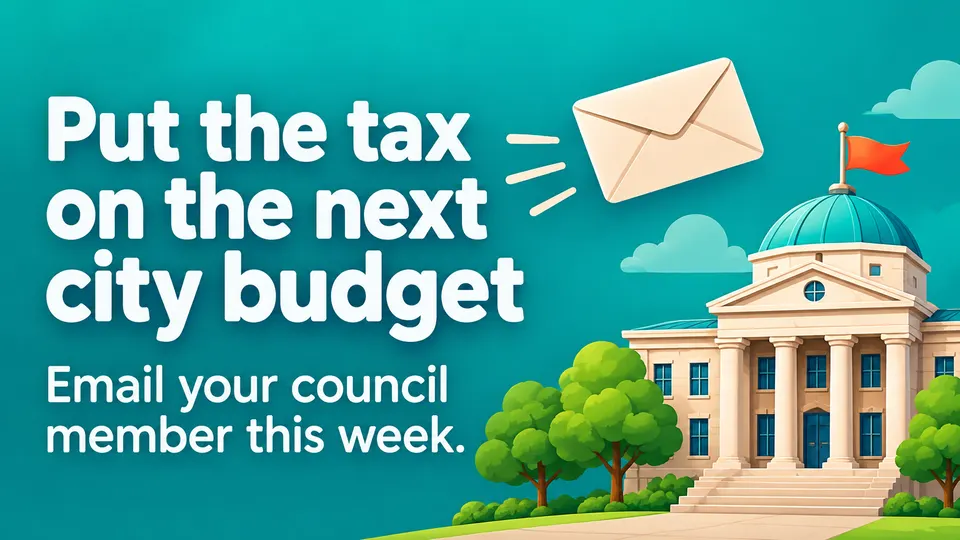 Slide 3AskEmail your council member this week
Phones in class
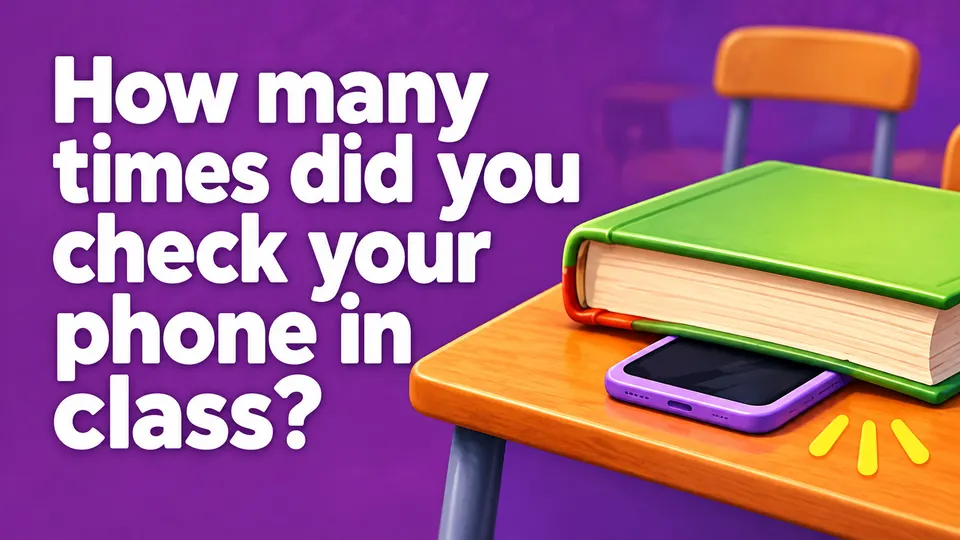 Slide 1HookHook: a question every student can answer
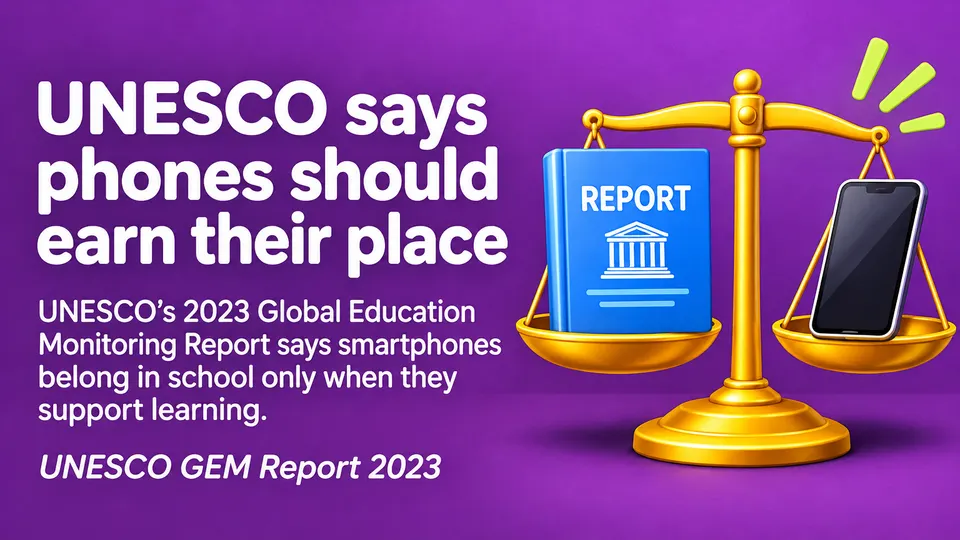 Slide 2EvidenceUNESCO 2023 GEM Report: phones in school only when they support learning
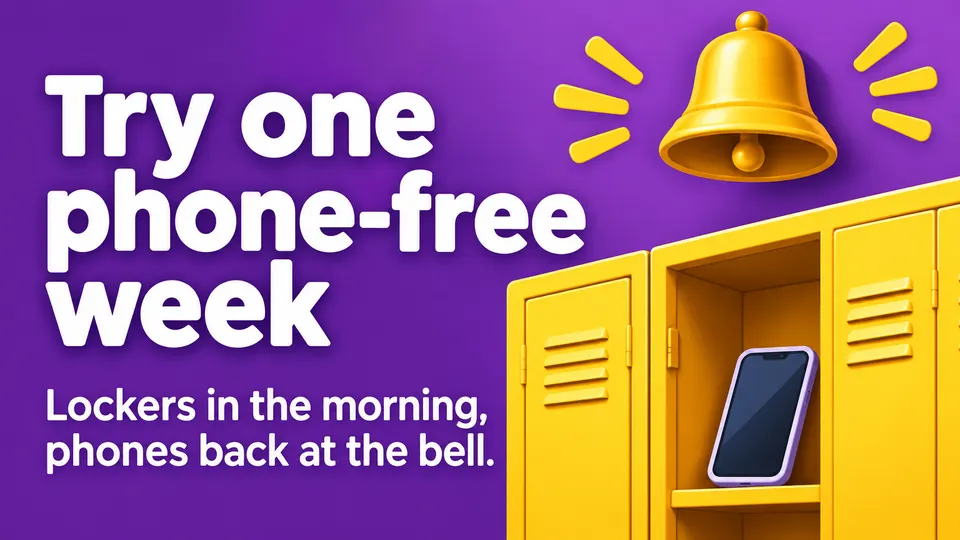 Slide 3AskTry one phone-free week
Each evidence slide names its source on the slide. That is the habit to copy: if you show a number, say where it came from. If you cannot, make the point without one. Need more openers? See our presentation hook examples.
Persuasive vs informative vs debate
Three assignments look alike and are graded differently. Check which one you have before you pick a topic.
| Persuasive speech | Informative speech | Debate | |
|---|---|---|---|
| Goal | The room agrees or acts | The room understands | The judge picks a side |
| Thesis | "We should do X" | "Here is how X works" | A motion that two teams argue |
| Sides | You argue one side | No side | Two sides, often assigned |
| Ends with | One clear ask | A recap | Rebuttals and a summary |
| Example | Schools should start at 8:30 or later | How sleep cycles work | This house would ban phones in class |
Need to explain without taking a side? Use our informative speech topics. Arguing a motion against another team? Use our debate topics.
Technology and AI persuasive speech topics
Tech topics work because everyone in the room uses the product. Pick one where you can name a real app, law or company policy.
- Allow AI on homework, with disclosureCreate
- Social media apps should verify agesCreate
- AI-generated images should carry a visible labelCreate
- Kids under 16 should not have their own social media accountsCreate
- Phones should ship with screen time limits turned on by defaultCreate
- Companies should tell you when you are talking to an AICreate
- Self-driving taxis should be allowed in every major cityCreate
- Smart speakers should only listen after you press a buttonCreate
- Every subscription should be cancelable in one clickCreate
- Schools should teach AI literacy as a core subjectCreate
- Phone and laptop makers should sell spare parts to anyoneCreate
- Online games should drop loot boxes for players under 18Create
- Police should not use live facial recognition in public spacesCreate
- The "reject all" cookie button should be as big as "accept all"Create
Environment persuasive speech topics
Environment topics land best when the ask is local and small: a city rule, a school bin, a habit. A global problem with a local ask beats a global problem with no ask.
- Ban single-use plastic bagsCreate
- Cities should make buses freeCreate
- Fast fashion brands should pay to recycle the clothes they sellCreate
- New homes should come with solar panelsCreate
- Cities should ban gas-powered leaf blowersCreate
- Lawns should give way to native plantsCreate
- Short flights should be replaced by trains where fast rail existsCreate
- Every school should compost its cafeteria food wasteCreate
- Cruise ships should plug into shore power in portCreate
- Cities should turn street parking into bike lanesCreate
- Products should carry a repairability scoreCreate
- Bottled water should be banned at school eventsCreate
Persuasive speech topics for students
These school and college topics suit high school and college classes, because the audience lives with the rule you want to change. For a ready list for younger classes, the 2-minute speech topics are shorter.
- Schools should start at 8:30 or laterCreate
- Phones belong in lockers during classCreate
- Homework should be banned on weekendsCreate
- School uniforms should be optionalCreate
- Every student should pass a personal finance class to graduateCreate
- Every student should learn to cook before graduatingCreate
- Primary schools should replace grades with written feedbackCreate
- Recess should never be taken away as a punishmentCreate
- Students should rate their teachers anonymously each termCreate
- Schools should not switch to a four-day weekCreate
- Cursive should come back to the classroomCreate
- High schools should give credit for part-time jobsCreate
- Public college should be tuition-freeCreate
- Make test scores optional for admissionCreate
- Colleges should drop legacy admissionsCreate
- College athletes should be paid as employeesCreate
Health persuasive speech topics
Health topics carry the most numbers, and the most bad numbers. Use a public health body or a peer-reviewed study for each claim, and name it out loud.
- Tax sugary drinksCreate
- No energy drinks for under-16sCreate
- Junk food ads should stay off children's TV and appsCreate
- Workers should get paid mental health daysCreate
- Students should be allowed to carry sunscreen at schoolCreate
- Flavored vapes should be bannedCreate
- Every public school student should get a free lunchCreate
- Doctors should prescribe time outdoorsCreate
- Health class should teach sleep like it teaches nutritionCreate
- Organ donation should be opt-outCreate
- Hospitals should post prices before treatmentCreate
- Tackle football should wait until high schoolCreate
Persuasive presentation topics for work and money
At work, a persuasive presentation is a proposal: change this, and here is the cost of not changing it. These topics also work for business and economics classes.
- Make the four-day work week normalCreate
- Every job ad should show the salaryCreate
- Replace tipping with fair wagesCreate
- Remote workers should get a home office allowanceCreate
- Meetings without a written agenda should be cancelledCreate
- Replace the daily stand-up with a written updateCreate
- Internships should always be paidCreate
- Companies should publish their gender pay gapCreate
- New managers should be trained before they manageCreate
- We should cancel the software we pay for but barely useCreate
- Every employee should get a yearly learning budgetCreate
- Workers should have a right to disconnect after hoursCreate
- The minimum wage should rise with inflation every yearCreate
- Buy now, pay later apps should run credit checksCreate
Society and politics persuasive speech topics
These topics divide a room, so they need the most care. Show that you understand the other side before you answer it. That is what moves a skeptic.
- Lower the voting age to 16Create
- End daylight saving time clock changesCreate
- Election day should be a public holidayCreate
- Voting should be compulsoryCreate
- Public libraries should lend tools, not just booksCreate
- Young people should do a year of community serviceCreate
- Public museums should be free to enterCreate
- Zoos should only keep animals they help protect in the wildCreate
- Cities should allow more apartments near transit stopsCreate
- Countries should stop making their smallest coinCreate
- Prisons should put education ahead of punishmentCreate
- Renters should be allowed to keep pets by defaultCreate
- News sites should label opinion pieces clearlyCreate
- Athletes should speak out on political issuesCreate
Funny persuasive speech topics
A funny topic still needs a real argument structure: a claim, reasons, an answer to the other side, an ask. The joke is the topic, not the logic. These suit icebreakers, practice rounds and short class speeches.
- Pineapple belongs on pizzaCreate
- A hot dog is a sandwichCreate
- Cats make better roommates than dogsCreate
- Breakfast for dinner should be a weekly traditionCreate
- Every office needs a nap roomCreate
- Cereal is a soupCreate
- Socks with sandals are fineCreate
- Spoilers do not ruin a good storyCreate
- Board games beat video games for family nightCreate
- Everyone should learn one magic trickCreate
- Group projects should be graded one person at a timeCreate
- Movie theaters should hold phone-free screeningsCreate
Easy 5-minute persuasive speech topics
Easy topics ask for a small change the audience can make today. That makes the ask simple, and the speech fits in five minutes with one reason, one example and one action.
- Drink a glass of water before your morning coffeeCreate
- Read the book before you watch the movieCreate
- Write tomorrow's to-do list tonightCreate
- Everyone should give blood at least onceCreate
- Carry a reusable water bottleCreate
- Turn off notifications for one app todayCreate
- Write thank-you notes by handCreate
- Walk or bike for short tripsCreate
- Everyone should learn basic first aidCreate
- Back up your phone photos tonightCreate
- Take the stairs instead of the elevatorCreate
- Learn to cook one meal from scratchCreate
How to pick a persuasive speech topic
Run your topic through four checks. If it fails one, change it or pick another.
| Check | Question | Fails | Passes |
|---|---|---|---|
| Arguable | Could a reasonable person say no? | "Bullying is bad" | "Schools should ban phones in class" |
| Narrow | Can you cover it in your time slot? | "Fix climate change" | "Ban gas-powered leaf blowers in our city" |
| Evidence | Can you name one source for your main point? | "Everyone knows that..." | "The WHO recommends..." |
| Ask | Is there one thing the room can do? | "Think about it" | "Email your council member this week" |
Then match the topic to the room. A class of 16-year-olds will care about start times and phones. A team at work will care about meetings, tools and pay. A topic the room lives with is half the persuasion already done.
Persuasive speech outline
Most persuasive speeches follow Monroe's motivated sequence, a five-step structure from Alan Monroe, a Purdue speech professor. It maps to slides like this:
| Step | What you do | Slide |
|---|---|---|
| Attention | Open with a question, story or surprising fact | Hook slide |
| Need | Show the problem and who it hurts | Problem slide |
| Satisfaction | Give your solution, then answer the best objection | Solution and objection slides |
| Visualization | Show life after the change | "Picture this" slide |
| Action | Ask for one specific action | Ask slide |
The 3-slide arc above is the short version: attention, then need and satisfaction in one evidence slide, then action. Use it for a 2 to 3 minute speech. Use all five steps for 5 minutes or more. For speeches with a time limit, see our 10-minute presentation topics and TED talk topics.
FAQ
What is a good persuasive speech topic?
A good persuasive speech topic is a claim that a reasonable person could reject, narrow enough for your time slot, with one source you can name and one action you can ask for. "Schools should start at 8:30 or later" is a good example: people disagree, the American Academy of Pediatrics supports it, and the ask is clear.
What are easy persuasive speech topics?
Easy persuasive speech topics ask for a small, personal change: read the book before the movie, carry a reusable water bottle, learn basic first aid, back up your phone photos. They need little research and the ask is simple.
What are some persuasive presentation topics for work?
Good persuasive presentation topics for work are proposals your team can act on: cancel meetings without an agenda, replace the daily stand-up with a written update, cut unused software, or add a learning budget. Show the cost of the problem, your fix, and one decision you need.
What is the difference between a persuasive and an informative speech?
An informative speech explains how something works and takes no side. A persuasive speech takes a side and asks the audience to agree or act. If your thesis has "should" in it, it is persuasive.
How do you start a persuasive speech?
Start with a hook that makes the problem personal: a question the audience can answer, a short story, or one sourced fact. Then state your claim in one sentence. Our presentation hook examples show more openers.
What are the 3 parts of a persuasive speech?
A persuasive speech has three parts: a hook that names the problem, the evidence that supports your claim, and an ask that tells the audience what to do. Aristotle's three appeals help with the middle part: ethos (why trust you), pathos (why care) and logos (why it is true).