
Startup pitch deck examples

Three investor decks for three stages. Each deck is real GenPPT output from the prompt shown with it. The companies and the numbers are invented, so you can copy the structure and put in your own facts.

What to copy

  • Use 9 to 10 slides in the order of the questions of an investor.
  • Put one idea on each slide, and write the headline as the conclusion.
  • Give each important number its own slide.
  • End with the amount that you raise and what it pays for.

Seed pitch deck for a B2B SaaS startup

A 10-slide seed deck for an invented B2B software startup that chases unpaid invoices. See each slide at full size.

Seed pitch deck for a B2B SaaS startup: Cover

Why this deck works

  • The slide order follows the questions of an investor: problem, solution, product, market, model, traction, competition, team, ask.
  • Each important number has its own slide: 41 days, 620,000 agencies, $79, $2.5M. A reader remembers one number for each slide.
  • Each headline is a claim. If you read only the ten headlines, you get the full pitch.
  • The prompt gives the facts. GenPPT does not have to invent the traction.

The prompt that made it

GenPPT prompt
10-slide seed pitch deck for Tallybird, an invented startup. Tallybird chases unpaid invoices for small agencies: it sends polite reminders, adds a pay-now link, and shows the cash due this week.

Slide order: 1 cover with a one-line pitch, 2 problem, 3 solution, 4 product in three steps, 5 market size, 6 business model, 7 traction, 8 competition, 9 team, 10 the ask.

Facts to use (all invented): agencies wait 41 days on average to get paid. 410 paying agencies. $38k MRR, growing 14% a month. Invoices get paid 11 days faster. Price: $79 a month for each agency. Market: 620,000 small agencies in the US and UK. Raising a $2.5M seed for 18 months of runway.

Rules: one idea per slide. Each headline is a short sentence that states the point. Show one large number where there is one. Team slide: three roles (CEO, CTO, Head of Sales), no photos and no names. Style: clean and modern, deep green and cream, simple product mockups. No real company names, no real people, no logos.
2 messages after the prompt
  1. Yes. Remove the extra totals and client names, then render the full deck.
  2. Change two slides and keep the design. Slide 8: remove the small "Workflow framing" label in the top right corner. Slide 10: change the headline to "A $2.5M seed gives Tallybird 18 months of runway."
Pre-seed pitch deck for a consumer marketplace

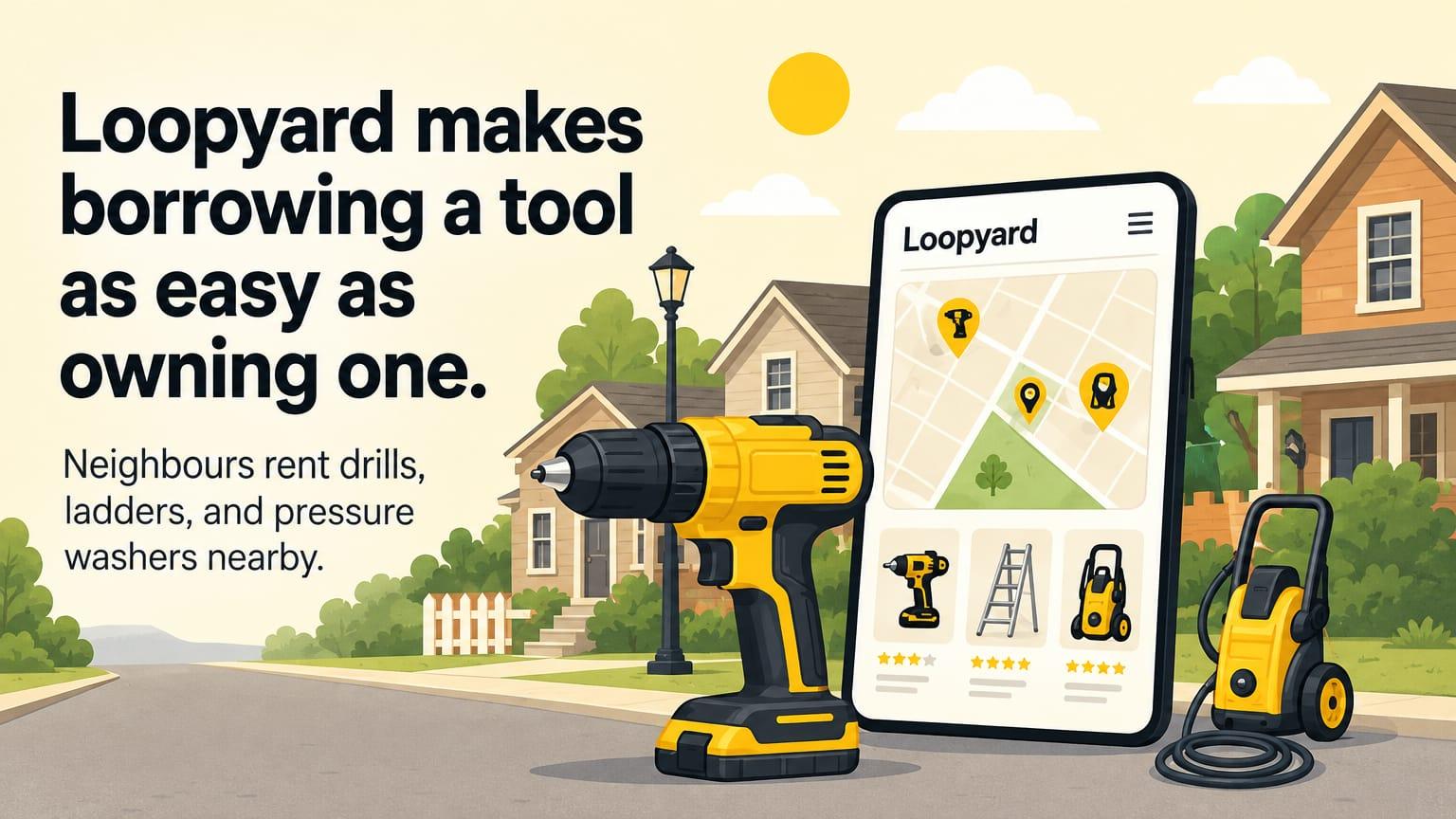
A 9-slide pre-seed deck for an invented app where neighbours rent tools from each other. See each slide at full size.

Pre-seed pitch deck for a consumer marketplace: Cover

Why this deck works

  • The problem slide uses one fact that is easy to repeat: a drill is used for 13 minutes in its life.
  • A pre-seed company has little revenue, so the deck shows pilot data from one district: members, tools, rentals, and repeat use.
  • The business model fits on one slide because there are only two income lines: 15% of each rental and a $2 cover.
  • The ask says what the money buys: four more districts. An investor can check that result later.

The prompt that made it

GenPPT prompt
9-slide pre-seed pitch deck for Loopyard, an invented startup. Loopyard is an app where neighbours rent tools from each other: drills, ladders, pressure washers.

Slide order: 1 cover, 2 problem, 3 solution, 4 how it works in three steps, 5 why now, 6 early proof, 7 business model, 8 go-to-market, 9 the ask.

Facts to use (all invented): the average drill is used for 13 minutes in its life. Pilot in one city district: 1,240 members, 380 tools listed, 2,100 rentals in 5 months, and 46% of renters rent again within 30 days. Loopyard takes 15% of each rental and sells damage cover for $2. Raising $600k to open 4 more districts.

Rules: one idea per slide. Each headline states the point. Few words. Style: warm and friendly, sunny yellow and charcoal, flat illustrations of tools and streets. No photos of people. No real company names, no real people, no logos.

Series A pitch deck for a climate hardware company

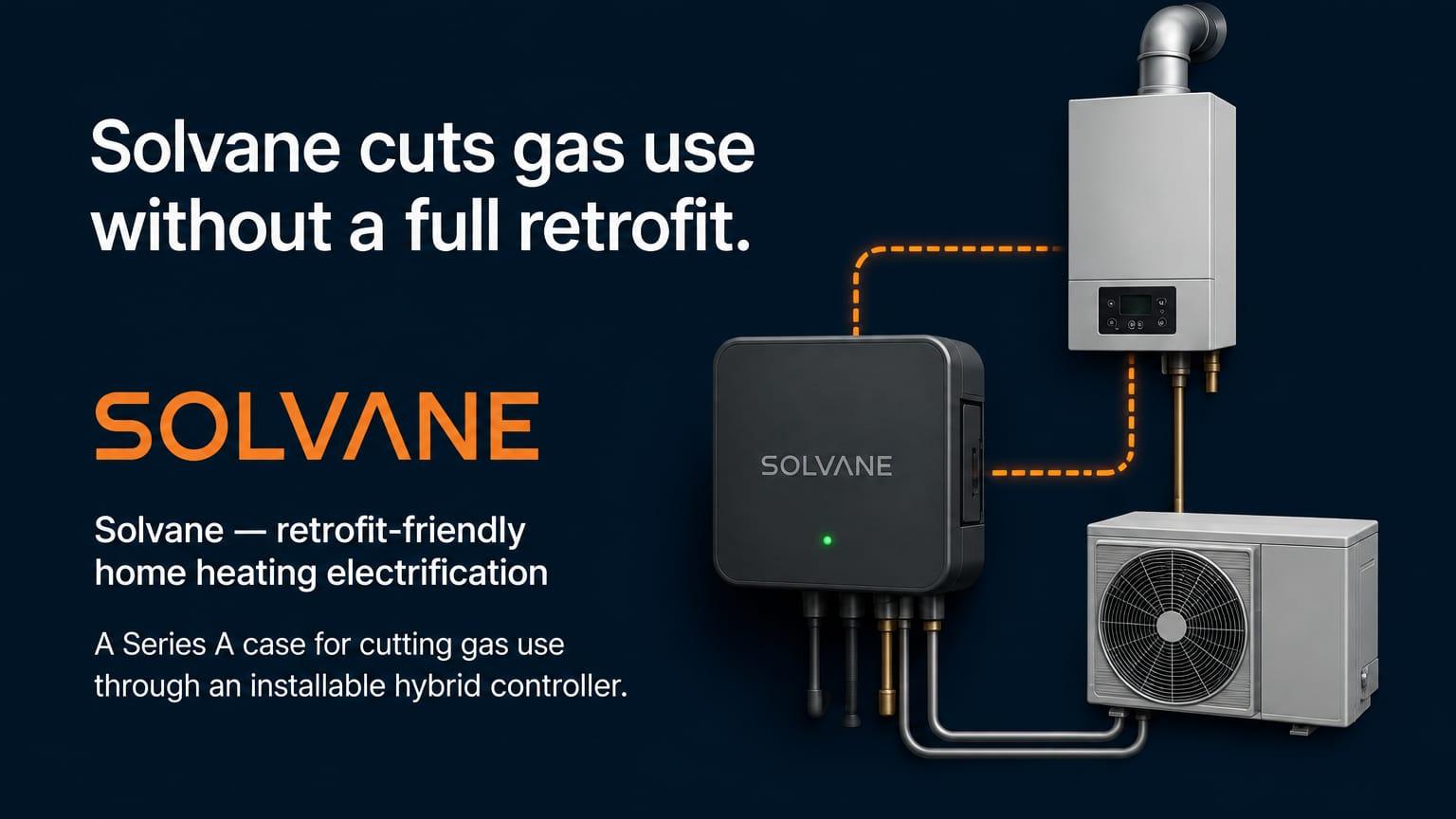
A 10-slide Series A deck for an invented company that makes a heat pump controller. See each slide at full size.

Series A pitch deck for a climate hardware company: Cover

Why this deck works

  • The problem and the product use the same two measures, cost and time: $18,000 and 3 days against $4,200 and 4 hours.
  • Each data slide has one chart. The headline gives the conclusion, so the chart is the proof and not a puzzle.
  • A Series A deck must show that the business can grow. This deck gives one slide to unit economics and one slide to the installer channel.
  • The last slide divides the $14M into three parts. The roadmap slide before it uses the same three parts.

The prompt that made it

GenPPT prompt
10-slide Series A pitch deck for Solvane, an invented climate hardware company. Solvane makes a controller that lets an existing gas boiler and a small heat pump work as one system, so a home cuts gas use without a full retrofit.

Slide order: 1 cover, 2 problem, 3 solution, 4 product and how it installs, 5 results from the field, 6 market, 7 business model and unit economics, 8 go-to-market through installers, 9 roadmap, 10 the ask and use of funds.

Facts to use (all invented): a full heat pump retrofit costs $18,000 and takes 3 days. Solvane installs in 4 hours for $4,200. 1,900 homes installed. Gas use down 62% on average. 140 partner installers. Hardware gross margin 41%, plus $9 a month for monitoring. Raising a $14M Series A: 50% manufacturing, 30% installer network, 20% software.

Rules: one idea per slide. Each headline is a full sentence with the conclusion. One chart on each data slide. Style: technical and calm, dark navy with a warm orange accent, clean product renders and simple line diagrams. No real company names, no real people, no logos.
AI presentations

Stop stressing over formatting. Join 100,000+ professionals creating presentations worth presenting.