
Sales deck examples

Three decks for three moments in a sale. Each deck is real GenPPT output from the prompt shown with it. The sellers, the buyers, and the numbers are invented.

What to copy

  • Write for the buyer. Start with the change or the pain, not with your company.
  • Show the cost of no action as one number.
  • Give one proof: one customer and one result.
  • End with a small next step that has a scope and a date.

Decks on this page

  1. Sales deck for a first call (10 slides)
  2. Agency proposal deck (8 slides)
  3. Leave-behind sales deck (8 slides)

Sales deck for a first call

A 10-slide deck for a first call with an operations director. The seller is an invented dock scheduling product. See each slide at full size.
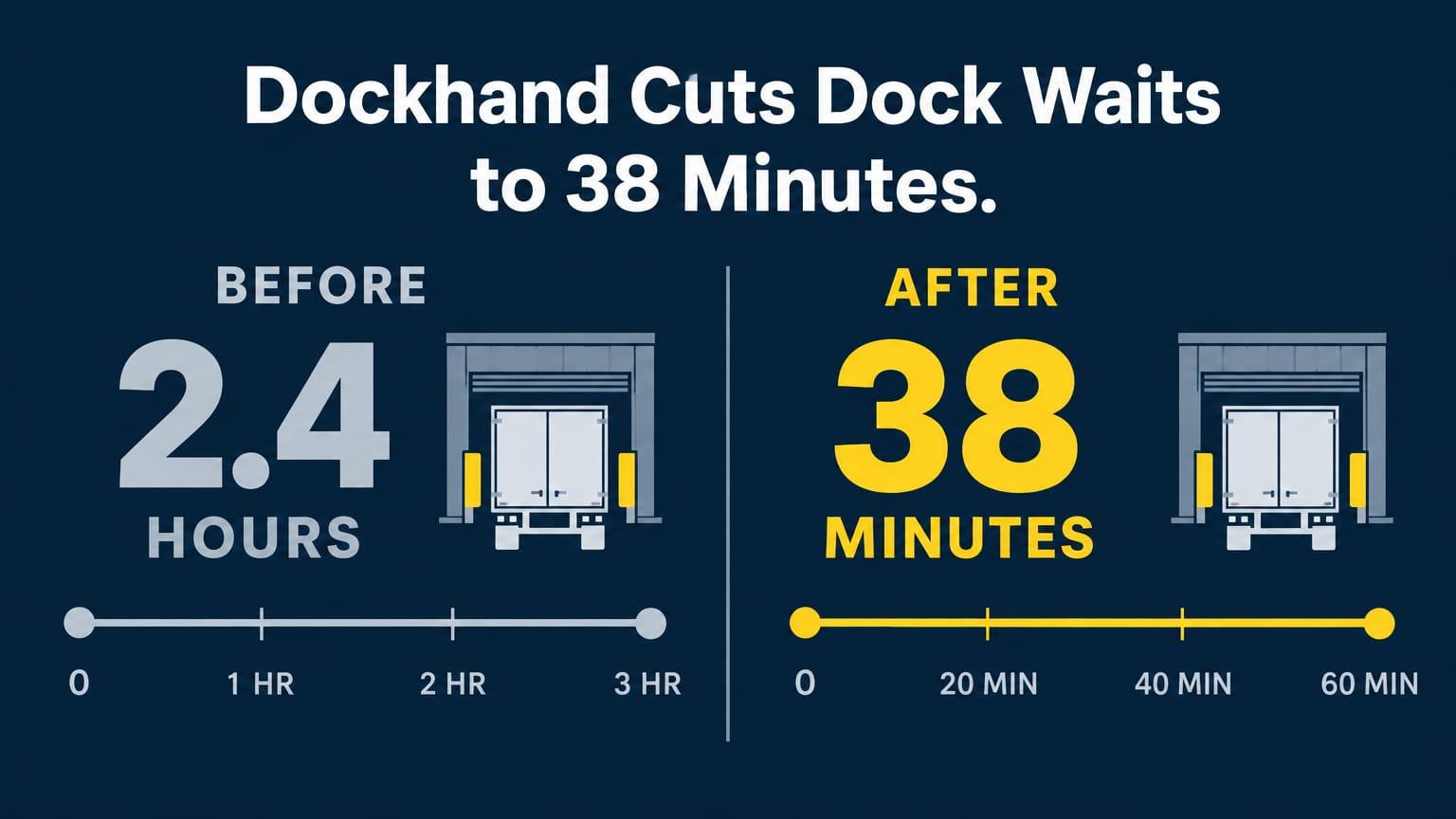
Sales deck for a first call: Title

Why this deck works

  • The first four slides are about the buyer: the result, the change, the pain, and the cost. The product comes on slide 5.
  • The cost of no action is one number, $310,000 a year. After that number, the price looks small.
  • The proof is one customer and one result. One strong number is better than five weak numbers.
  • The last slide asks for a small step: a 30-day pilot at one site.

The prompt that made it

GenPPT prompt
10-slide sales deck for a first call. Seller: Dockhand, invented software that schedules truck arrivals at warehouse docks. Buyer: the operations director of a mid-size distribution company.

Slide order: 1 title with the outcome, 2 the change in the market, 3 the pain in the buyer's week, 4 the cost of doing nothing, 5 the product in one visual, 6 proof, 7 how it works in three steps, 8 price and payback, 9 common objections, 10 next step.

Facts to use (all invented): trucks wait 2.4 hours on average at the dock. Detention fees cost a 12-door warehouse about $310,000 a year. Dockhand customers cut the wait to 38 minutes. One customer, a regional grocer, saved $190,000 in the first year. Price: $1,450 a month for each site. Payback in 4 months. Live in 3 weeks. Next step: a 30-day pilot at one site.

Rules: write for the buyer, not about the seller. One idea per slide. Each headline states the point. Style: industrial and clear, slate blue and safety yellow, simple diagrams of a warehouse dock. No real company names, no real people, no logos.
1 message after the prompt
  1. Slides 2, 5, 6, 7, and 8 repeat the deck title as the headline. Give each slide its own headline and keep the design. Slide 2: "Unscheduled arrivals turn dock doors into a bottleneck." Slide 5: "Dockhand gives each truck an arrival window and a door." Slide 6: "A regional grocer saved $190,000 in the first year." Slide 7: "Three steps take a site live in 3 weeks." Slide 8: "$1,450 a month for each site pays back in 4 months."

Agency proposal deck

An 8-slide proposal from an invented brand design agency to an invented bakery chain. See each slide at full size.

Agency proposal deck: Cover

Why this deck works

  • Slide 2 repeats what the client said. The client sees that the agency listened.
  • The goal has a measure: new shops break even 2 months sooner. The client can check the result.
  • Scope, timeline, and price each have a slide. The client does not have to search for the fee.
  • The deck ends with one next step.

The prompt that made it

GenPPT prompt
8-slide proposal deck from Fernlight Studio, an invented brand design agency, to Oat & Ember, an invented bakery chain with 14 shops that wants a new brand before it opens 10 more.

Slide order: 1 cover, 2 what we heard from you, 3 the goal and how we measure it, 4 our approach in three phases, 5 scope and deliverables, 6 timeline, 7 investment, 8 next step.

Facts to use (all invented): the three phases are Discover (2 weeks), Design (5 weeks), and Roll out (3 weeks), 10 weeks in total. Deliverables: brand strategy, logo and identity system, packaging for 6 product lines, shop signage guide, launch kit. Fixed fee of $68,000 in three payments. Measure: new shops break even 2 months sooner. Next step: a kickoff workshop.

Rules: one idea per slide. Plain words, no agency jargon. Style: editorial and warm, cream paper texture, terracotta and forest green, elegant serif headlines. No photos of people. No real company names, no real people, no logos.
1 message after the prompt
  1. Slides 6 and 7 repeat the deck title as the headline. Change the two headlines and keep the design. Slide 6: "Ten weeks from discovery to roll out." Slide 7: "One fixed fee of $68,000 in three payments."

Leave-behind sales deck

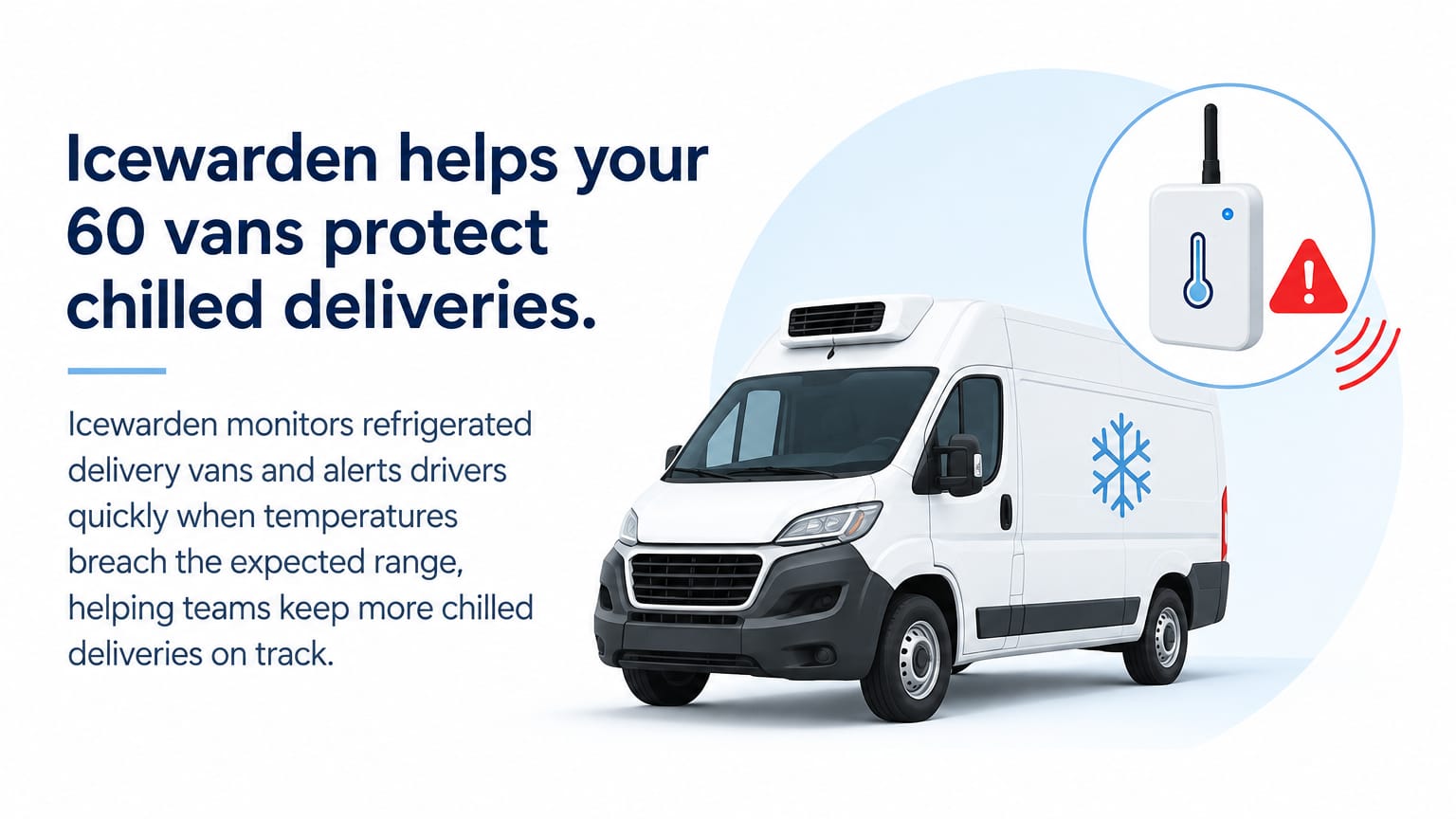
An 8-slide deck that a buyer can read alone and send to finance. The seller is an invented sensor company. See each slide at full size.

Leave-behind sales deck: Title

Why this deck works

  • Each headline is a full sentence. A person who was not in the meeting can read the deck alone.
  • Slide 2 gives the full offer. A finance reader can stop there.
  • The price slide shows the monthly cost, the one-time cost, and the time to get the money back.
  • The last slide gives the trial dates and a line for the owner of each task.

The prompt that made it

GenPPT prompt
8-slide leave-behind sales deck that a buyer can read alone and forward to finance. Seller: Icewarden, an invented company that sells temperature sensors and alerts for refrigerated delivery vans. Buyer: a meal-kit company with 60 vans.

Slide order: 1 title with the outcome, 2 the offer on one slide, 3 the problem in numbers, 4 how Icewarden works, 5 results from a customer, 6 price and return, 7 security and setup questions answered, 8 next step with dates.

Facts to use (all invented): 3.1% of chilled deliveries are thrown away after a temperature breach. For 60 vans that is about $420,000 a year. Icewarden alerts the driver in 90 seconds. A customer with 45 vans cut spoiled deliveries by 71%. Price: $29 a month for each van, plus $120 one time for each sensor. Return in 5 months. Setup takes 15 minutes for each van. Next step: a 30-day trial with 10 vans.

Rules: every slide must make sense with no presenter. Full-sentence headlines. More text than a live deck, but one idea per slide. Style: crisp and clinical, white with ice blue and a red alert accent, simple van and sensor illustrations. No real company names, no real people, no logos.
1 message after the prompt
  1. Fix three slides and keep the design. Slide 3: correct the spelling "Chiled" to "Chilled". Slide 7: change the headline to "Setup takes 15 minutes for each van." Slide 8: change the headline to "Start with a 30-day trial of 10 vans."
AI presentations

Stop stressing over formatting. Join 100,000+ professionals creating presentations worth presenting.